The News
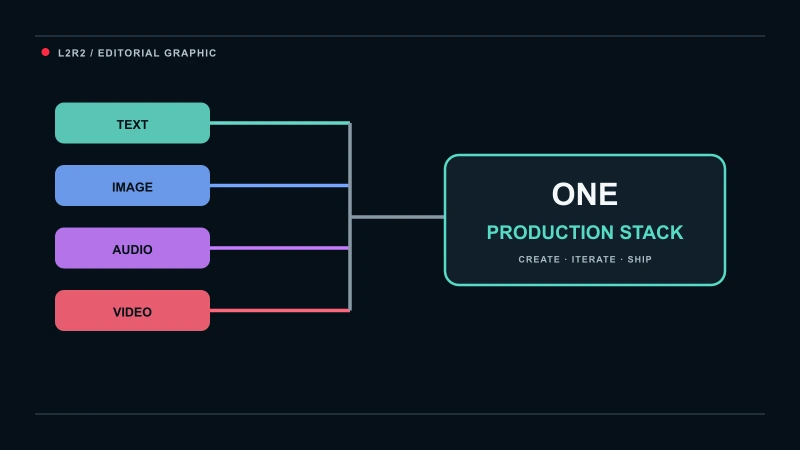
A new Tripo AI creator roundup published late September 14 shows a cluster of workflows pairing GPT-6 Astra with specialized 3D tools rather than asking one model to do everything. Tripo’s basic formulation is simple: generate production-ready 3D assets with a 3D-native model, then use a general agent to assemble, animate and interact with them.
The company highlights several creator examples. @sayaka_aiart’s anime-style workflow passed 200,000 views on X. Nano (@Dstudio_ai) used Astra to add animated facial expressions to a Tripo-generated character. Another creator used an Astra → Tripo P2.0 → Blender → Unity chain to build a World of Warcraft fan-game prototype with three prompts in about 90 minutes. Stefan (@Stefan_3D_AI) reported better results when he stopped asking Astra to make the 3D asset itself, instead modeling with Tripo H3.1 and Blender MCP before handing the assets to Astra for assembly and animation.
What’s Actually Interesting
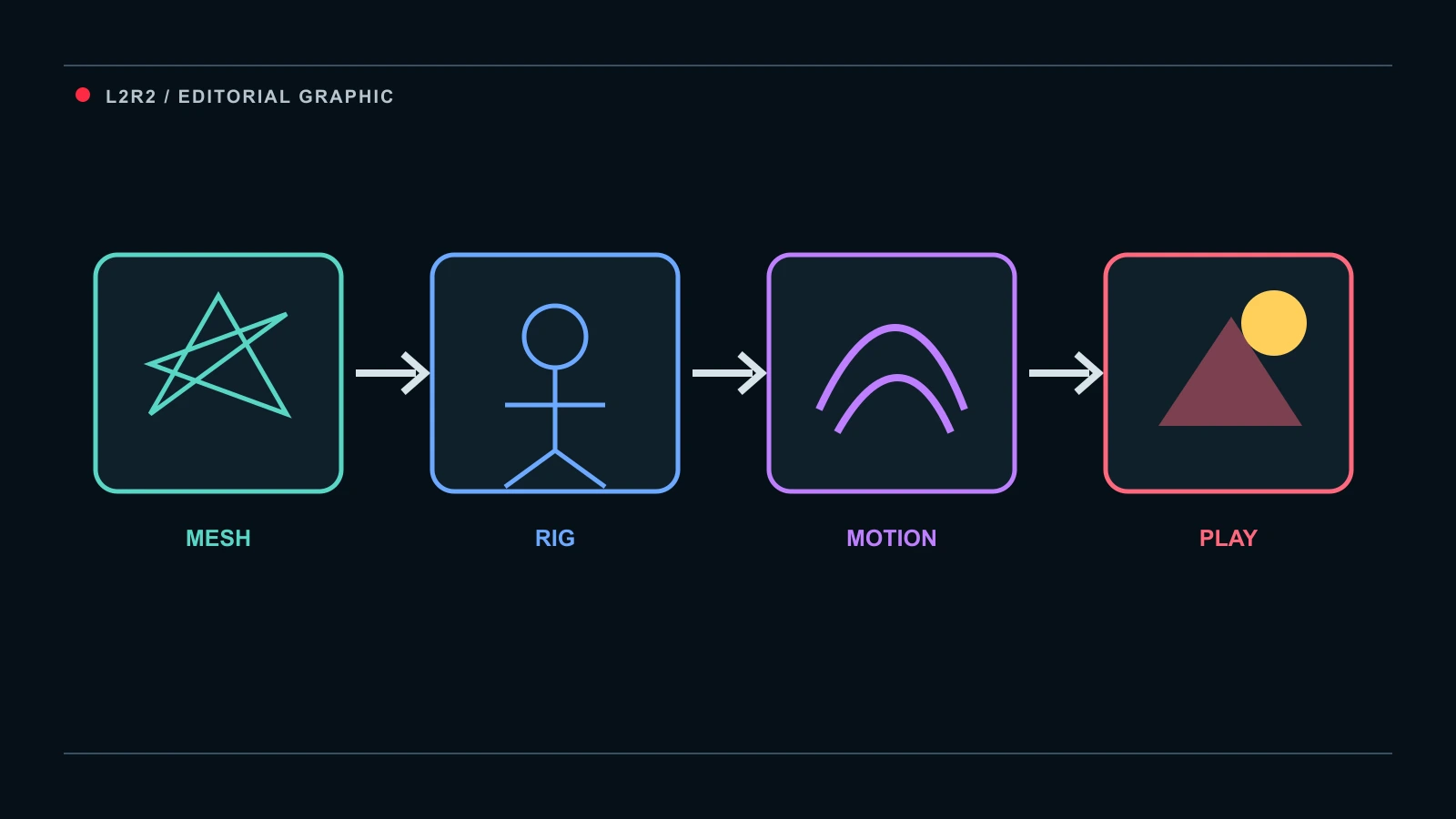
That division of labor is the important part. The next useful AI 3D workflow may not be a single model that magically creates a finished game asset. It may be a stack where specialized 3D models solve mesh quality and topology while a broader agent controls Blender, animation and scene logic.
Why It Matters
For games and animation, a beautiful static mesh is not a finished asset. It needs to deform, animate, survive camera changes and live inside a real production pipeline. Social creator demos are beginning to show AI crossing that gap. If those workflows become reliable rather than merely impressive in demos, the cost of getting from concept to moving prototype could fall sharply.