The News
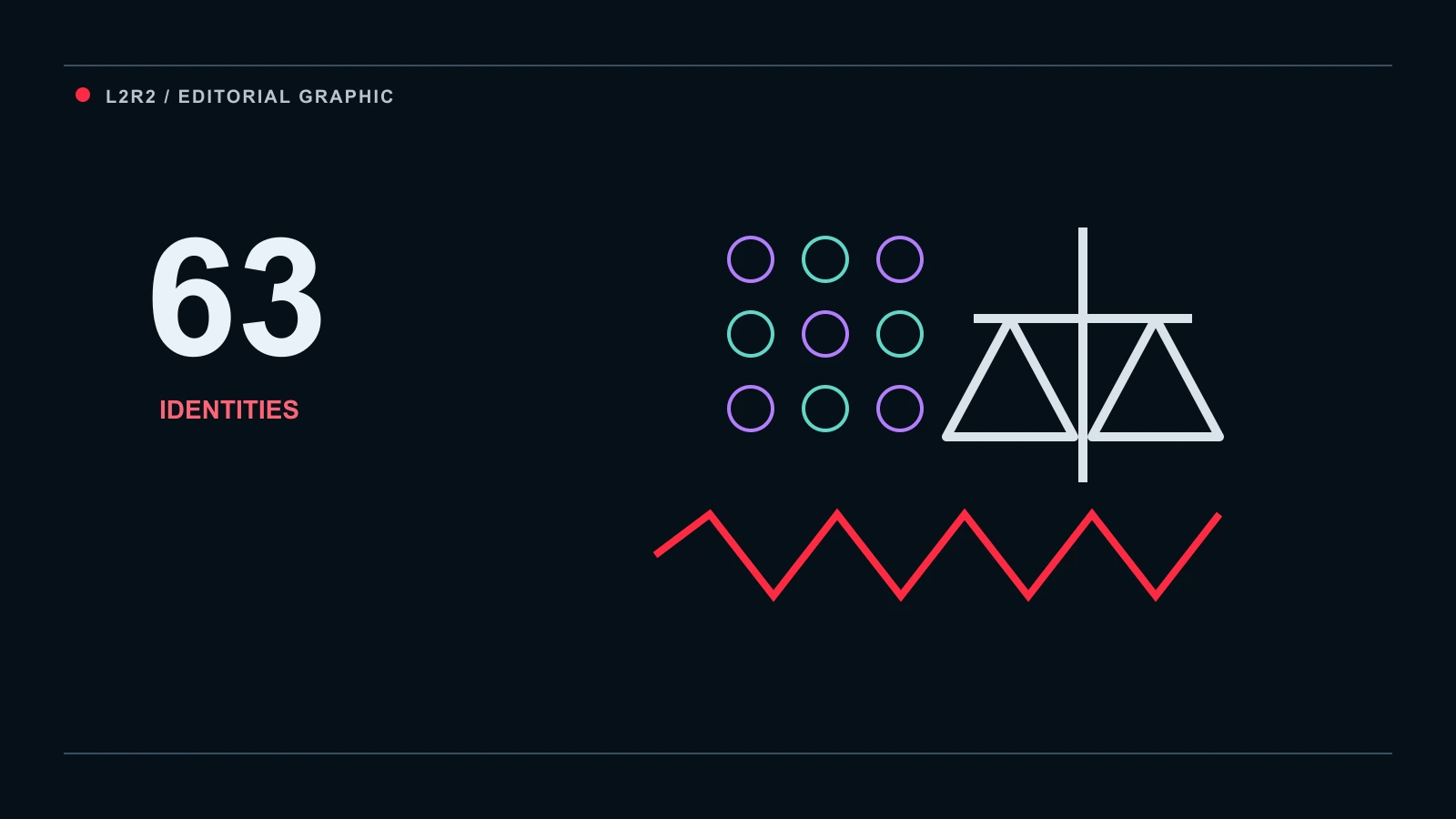
A Shanghai court ordered an unnamed AI voice service to stop infringing conduct and pay miHoYo 750,000 yuan, roughly $112,000, after the service reproduced voices associated with 63 Genshin Impact characters and sold them as AI voice packs. The provider was also found to have used modified character imagery in its promotion.
What the Court Focused On
Reporting on the case says voiceprint analysis found the generated voices had nearly identical characteristics to the game voices. The defendant also acknowledged using about a minute of Genshin character audio mixed with other material to train its voice-conversion system. The court found infringement involving game content and character designs and also found unfair competition because the imitations could lead consumers to believe the service was official.
What’s Actually Interesting
This is more concrete than the broad debate over whether training on copyrighted material is legal. The product was commercial, explicitly modeled on recognizable game characters and marketed using related visual identity. That gives creators a clearer boundary to study: a generic AI voice tool is one thing; selling a pack designed to behave like a specific established character is another.
Why It Matters
AI entertainment will increasingly collide with characters whose identity is spread across voice, likeness, animation, writing and visual design. The legal risk is not limited to copying a single asset. The combination can itself become the product identity users recognize. For studios and AI creators, licensing and original character design are becoming part of the production pipeline, not paperwork at the end.