The News
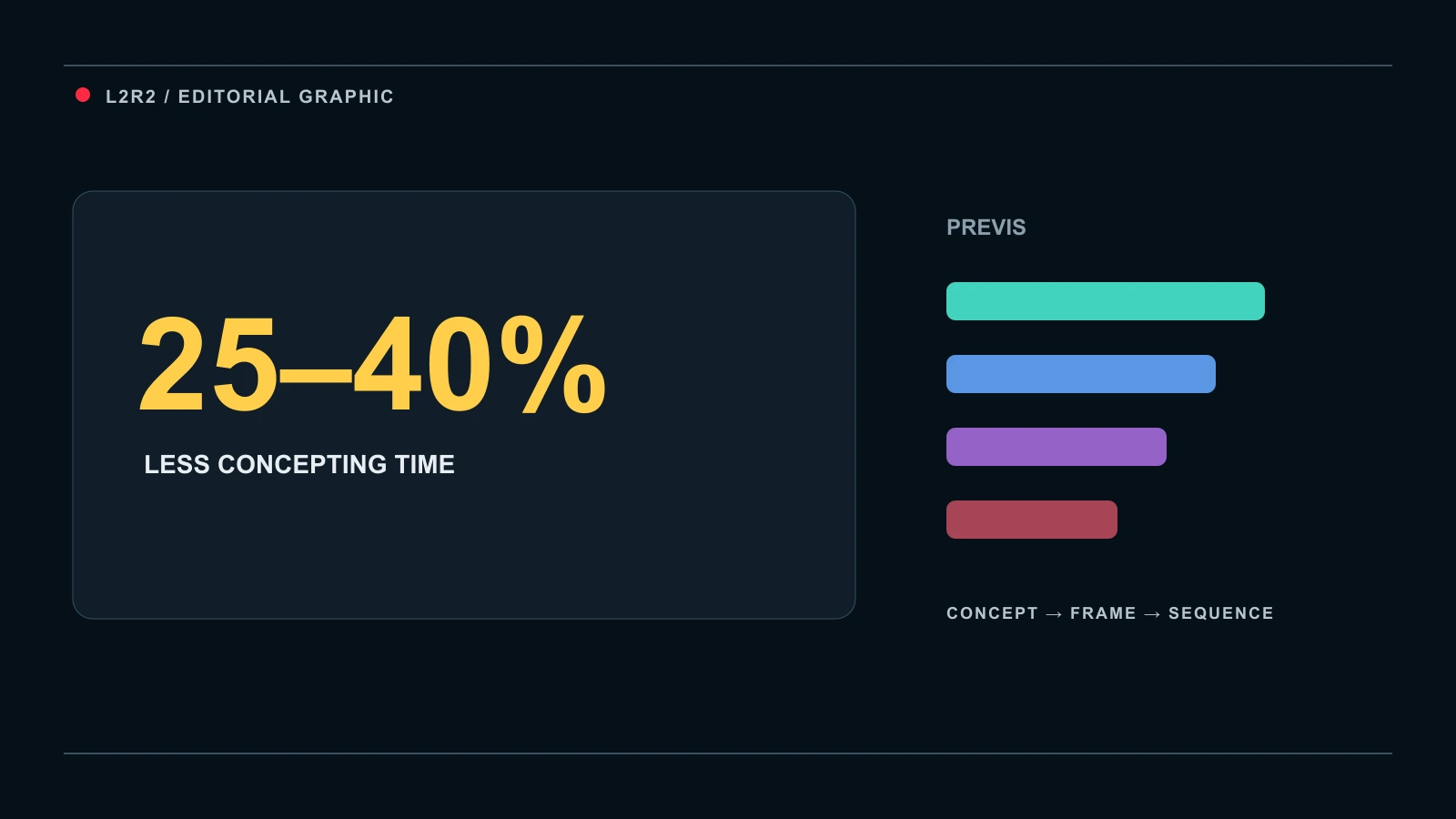
Kerri Zane Enterprises says it has cut 25–40% from concept development and pre-production time by moving AI-assisted motion tests much earlier in the creative process. In a new Higgsfield case study, the production company also estimates 30–50% lower early visualization and concept-development costs, depending on the project.
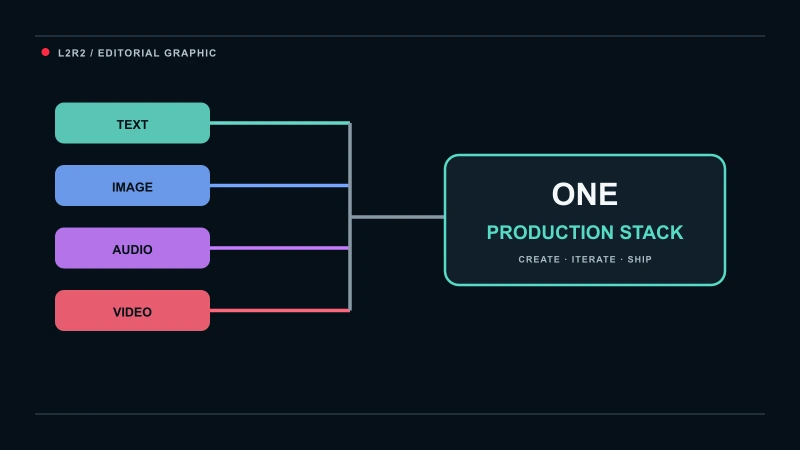
The workflow uses Higgsfield Cinema Studio for visual development, previs and first-pass moving shots. It does not replace the rest of the production stack: image creation, editing, sound and finishing still happen across the team's existing tools.
What's Actually Interesting
The useful idea here is not "AI makes shots faster." It is AI makes bad decisions cheaper to discover.
A storyboard can look convincing while everyone imagines a slightly different movie. Zane's team is instead trying to put motion in front of clients almost immediately — camera movement, pacing and the feel of a shot — so the conversation happens before days of production pile up behind the wrong direction.
Higgsfield says one feature-film test started with human performance footage and a time-travel brief that allowed 24 hours. The team completed the test in under eight. On larger campaigns or film sequences, substantial first passes can now arrive within 24–72 hours rather than after the idea has already absorbed major production resources.
What Creators Can Take From It
The lesson is less about a particular model than about where AI sits in the pipeline.
Use it early, when decisions are still cheap. Start from an art-directed frame, test several camera ideas, show motion to the people making the decision, and reject weak directions before they become expensive. Then move the surviving idea into the normal craft stack for editing, sound, finishing and production judgment.
That is a healthier use of AI than generating hundreds of options simply because generation is cheap. More options are not automatically better direction.
Why It Matters
For filmmakers and small creative teams, professional previs has traditionally required time, people and money before anyone sees whether the scene actually works. If convincing moving tests become inexpensive enough to happen on day one, smaller teams can enter client conversations with something much closer to cinematic intent.
The result is not "fewer filmmakers." It can be more of the budget spent on the version everyone already agrees is worth making.