The News
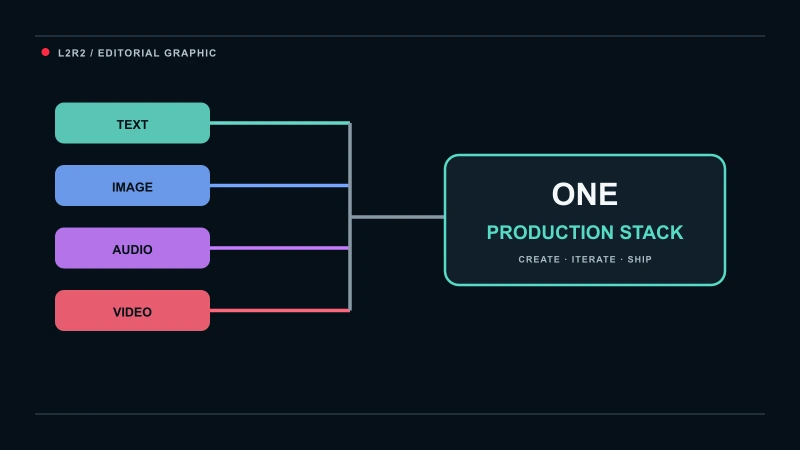
CapCut is pushing its generative tools toward longer, more directed shots. Dreamina Seedance 2.5 can generate clips up to 30 seconds, accept as many as 50 multimodal references across image, video, audio, and text, and support more granular editing of specific moments and elements inside a generated clip. Dola Seedream 5.0 Pro adds more interactive image editing, including region-based changes and layer-like manipulation.
Those specs sound incremental until you look at what usually breaks an AI video workflow: short shot length, weak continuity, poor control over specific moments, and too much regeneration when only one thing needs fixing.
What's Actually Interesting
The race in AI video is shifting from can it make a beautiful clip? to can I direct it?
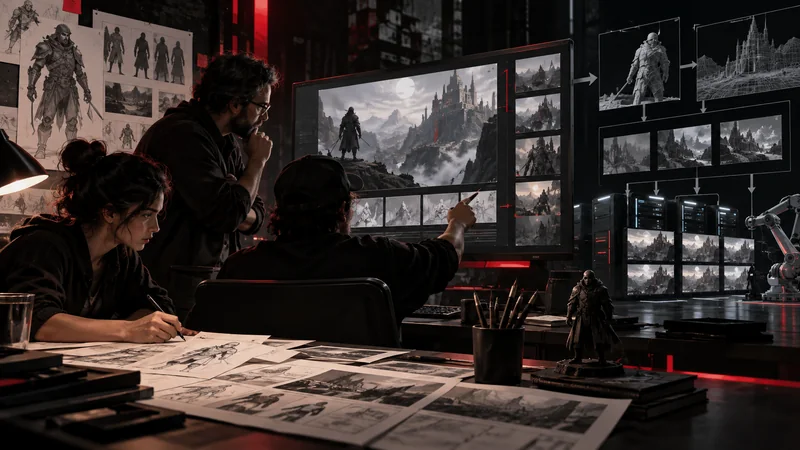
A five- or ten-second generation can be impressive and still be awkward to use in a real sequence. Longer clips matter because they let a scene contain a beginning, action, camera movement, and an ending without forcing the filmmaker to stitch every beat together from separate generations. More references matter because creators can give the model a larger package of intent: character, environment, movement, audio, and visual direction.
But the most important change may be editability. If a creator can alter a timestamp, a character, or a specific element rather than rerunning the entire shot, the workflow starts behaving less like a slot machine and more like production software.
That distinction is huge. The creative problem with generative video has rarely been a lack of surprising images. It has been the difficulty of getting the *same idea* to survive repeated revisions.
What Creators Can Do With It
For filmmakers, 30-second shots open up more complete blocking: entrances, pauses, dialogue beats, reactions, camera travel, and exits can potentially live inside one generation. For commercial creators, the large reference set can help maintain product, character, and brand continuity across a shot.
For artists building sequences, the more granular editing controls could reduce one of the most frustrating parts of AI filmmaking: destroying 90% of a shot you like because 10% is wrong.
The practical value is not simply longer output. It is a workflow with more places to intervene.
Why It Matters
AI video is entering a new phase where control may matter more than spectacle.
The first wave proved these systems could generate astonishing imagery. The next wave has to prove that creators can reliably shape that imagery into scenes, performances, and sequences without starting over every time something changes.
Seedance 2.5 is interesting because its headline improvements — longer clips, many more references, and targeted editing — all attack that production problem directly. If those controls hold up in practice, the model becomes less useful for isolated demos and much more useful for actual filmmaking.
That is the transition L2R2 cares about: not whether a model can make one beautiful shot, but whether an artist can keep directing it after the first shot succeeds.