The News
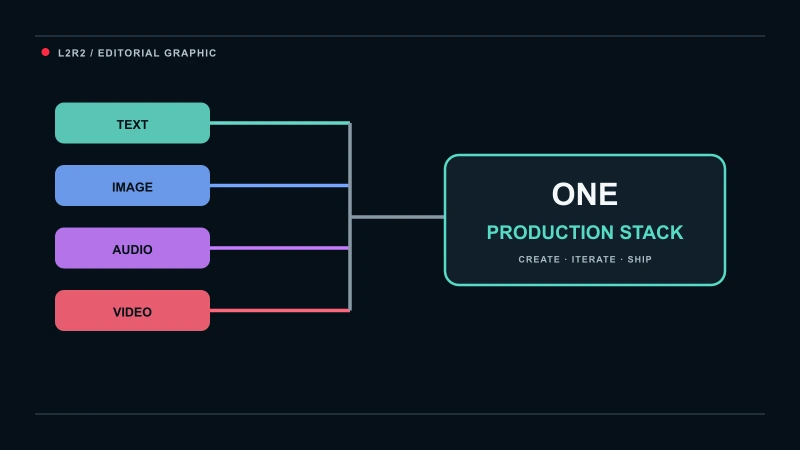
Adobe is moving generative media directly into Premiere's editing timeline. The new Generative Media tool can create video, sound effects, soundscapes, and music without forcing editors to leave their project, and Premiere can use both Adobe Firefly and partner models including Google Veo, Kling, Runway, and Luma.
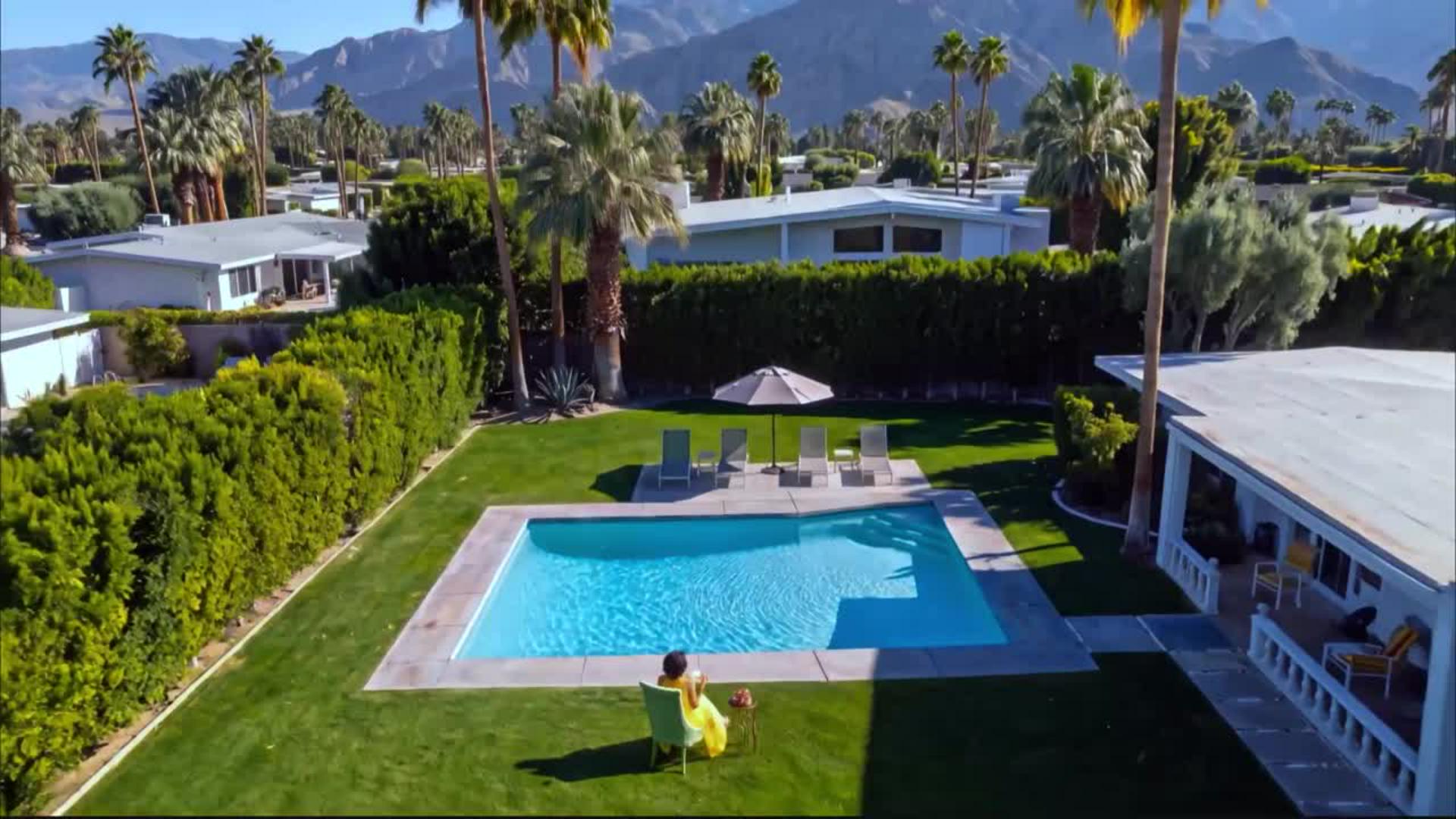
For video generation, Premiere can sample reference frames from the surrounding edit so a generated shot has a better chance of matching the scene around it. Audio generation is also moving closer to the picture: editors can generate sound effects, sketch soundscapes from a short section of video, and create music with controls for tempo and looping.
What's Actually Interesting
The headline feature is generation, but the bigger story is where it now lives.
AI video has often existed as a separate destination: open another app, generate a clip, download it, import it, test it, discover it does not quite fit, then repeat. Adobe is trying to collapse that loop into the place professional editors already spend their day.
That matters because production tools become transformative when they stop feeling like a special event. Photoshop's most powerful features did not change creative work because users admired them in demos; they changed work because artists could reach for them in the middle of a normal task. Premiere is moving generative media toward that same kind of invisibility.
The model-choice piece is important too. Adobe is not insisting that one model must solve every shot. The editor can choose among Firefly and several outside models depending on the need. That starts to make Premiere look less like a single AI product and more like an orchestration layer for a rapidly changing model ecosystem.
What Creators Can Do With It
The obvious use is filling gaps: missing b-roll, a transition shot, a quick establishing image, or sound that was never recorded. But the more interesting use is iteration.
An editor could try multiple versions of a shot while the timing, neighboring frames, audio, and story context are still visible. A filmmaker could generate temporary coverage to test whether a scene works before spending money on a reshoot. An indie creator could sketch a soundscape or music bed early enough that it influences the edit rather than arriving at the end.
The practical win is not that every generated result will be final. It is that experimentation can happen inside the cut, where creative decisions are actually being made.
Why It Matters
This is a significant step toward generative AI becoming ordinary production infrastructure rather than a separate category of software.
Once video generation, audio generation, model selection, and traditional editing all sit in the same timeline, the distinction between 'AI tool' and 'editing tool' starts to blur. For filmmakers and creators, that could be more important than any single model benchmark.
The future workflow may not be 'make the film with AI' versus 'make the film traditionally.' It may simply be editing — with generation, cleanup, search, sound design, compositing, and conventional footage all available as different ways to solve the next problem in the timeline.